
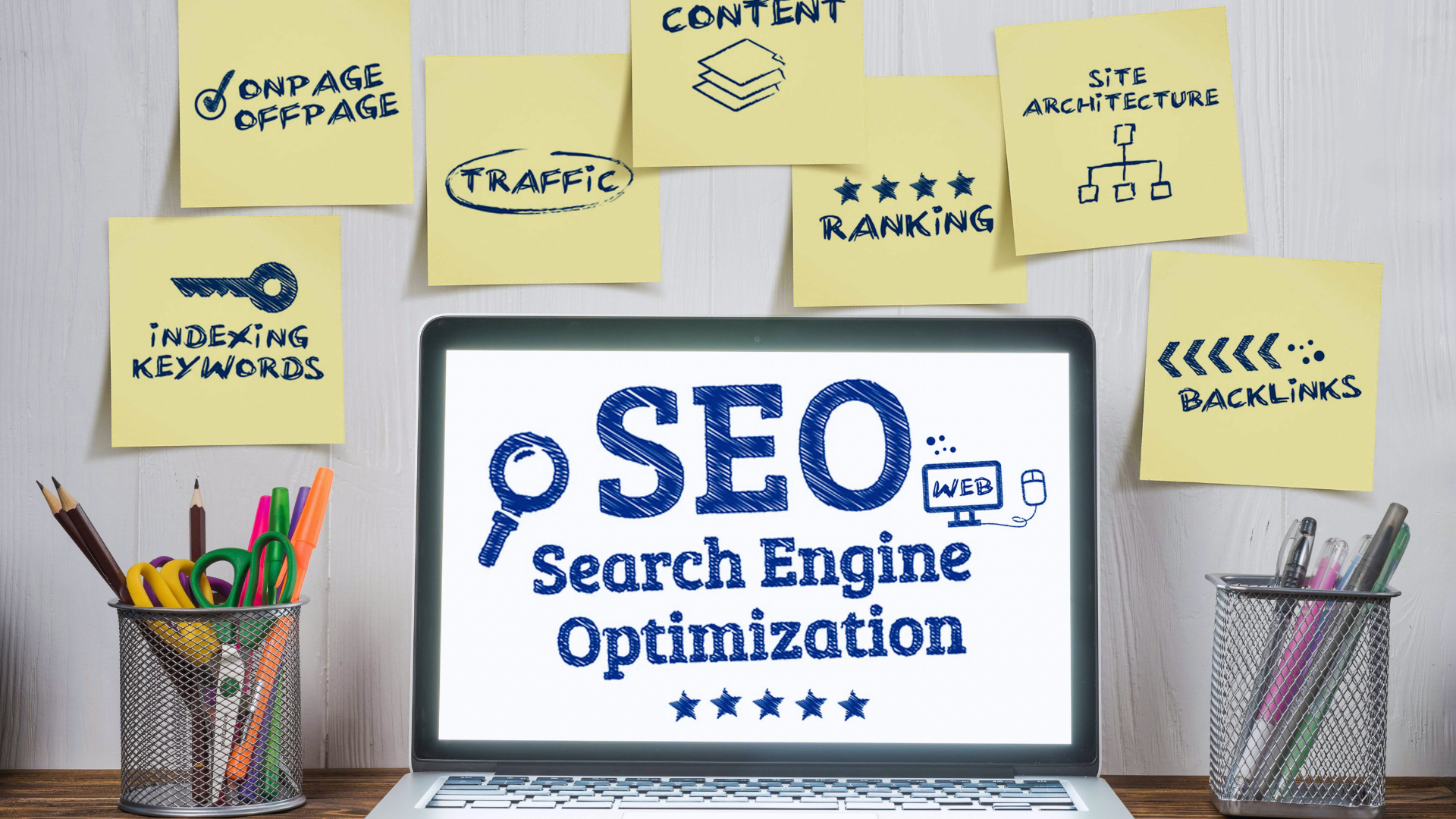
Local SEO is essential for small businesses looking to thrive in today’s competitive marketplace. It enhances their online presence and ensures they appear prominently in local search results, making it easier for potential customers to find them. By optimising their websites and using local keywords, small businesses can target their community effectively, driving more foot traffic and increasing sales.
In an era where consumers frequently search for services and products nearby, local SEO strategies are no longer optional; they are vital. Without visibility in localised searches, small businesses risk losing out to larger competitors that dominate the online landscape. Investing in local SEO not only improves search rankings but also builds trust and credibility within the community.
Moreover, a strong local SEO presence creates opportunities for engagement with customers. It allows small businesses to showcase reviews, promotions, and events that resonate with their audience. As consumers rely more on online resources to make purchasing decisions, harnessing local SEO becomes a critical factor for sustained success.
Understanding Local SEO
Local SEO focuses on optimising a business’s online presence to attract customers from specific geographic areas. This involves various components, including understanding local search results, employing local keywords, and conducting effective keyword research.
The Basics of Local SEO
Local SEO aims to enhance a business’s visibility in local search engine results. This is crucial for small businesses that depend on local clientele.
It involves optimising a website’s content, metadata, and listings with information such as the business’s name, address, and phone number (NAP).
Claiming local business listings on platforms like Google My Business and Yelp enhances credibility and improves rankings. Accurate NAP information across all online directories ensures consistent local visibility.
Given the complexity of these tasks, many businesses often choose to partner with specialists in small business SEO services. These experts ensure listings remain accurate, optimize content for local search intent, and implement strategies that boost overall local search performance.
Local Search Results Explained
Local search results typically appear when users perform searches with a geographical component. This could include phrases like “near me” or specific area names.
Search engines evaluate relevance, distance, and prominence when presenting results.
Prominence is influenced by the overall popularity and trustworthiness of a business. Reviews, local backlinks, and online documentation contribute to this aspect.
Effective use of maps and location markers also aids in gaining visibility in local searches.
The Role of Keywords in Local SEO
Keywords are fundamental to local SEO strategies. Businesses must identify local keywords that potential customers are likely to use.
Conducting thorough keyword research helps in selecting the right terms to optimise content.
Utilising tools like Google Keyword Planner, businesses can discover search volumes and competition levels for specific local keywords.
Incorporating these keywords throughout website content, meta titles, and descriptions enhances relevance. Combining local keywords with industry-specific terms can significantly improve search engine rankings and attract targeted traffic.
Improving Online Presence
A strong online presence is essential for small businesses aiming to connect with local customers. Key strategies include optimizing Google My Business, leveraging online reviews, and creating content tailored to local audiences. Many businesses often partner with experts to ensure these strategies work together effectively, enhancing visibility and engagement. Additionally, using tools or services such as SEO Results Singapore can provide insights into how optimized listings, targeted local keywords, and well-crafted content can improve local search performance and drive higher customer interaction.
Optimising Google My Business
Google My Business (GMB) is a vital tool for local SEO. It allows businesses to manage their online visibility on Google, including search results and maps.
To optimise GMB, ensure that all information is complete and accurate, such as the business name, address, phone number, and hours of operation. Regularly updating the profile with relevant posts can engage potential customers.
Additionally, uploading high-quality images and responding to customer inquiries fosters trust and can enhance user experience.
Leveraging Online Reviews and Citations
Online reviews significantly influence consumer behaviour. Positive reviews can improve a business’s ranking in local search results.
Encouraging satisfied customers to leave reviews on platforms like Google and Yelp creates social proof and builds credibility. Negative reviews should be addressed promptly and professionally to show potential customers that the business values feedback.
Local citations, which are mentions of the business name and address in online directories and websites, also play a role in local SEO. Ensuring accuracy in citations helps improve online visibility.
Content Marketing for Local Reach
Content marketing tailored for local audiences can drive traffic and engagement. Creating localised content, such as blog posts about local events or community news, can attract local customers.
Incorporating keywords specific to the location improves search visibility. It’s important to share this content across social media and online directories to maximise reach.
Engaging storytelling, along with clear calls to action, can convert readers into customers, further enhancing the business’s online presence.
Enhancing Local Discovery and Conversion
Local SEO plays a crucial role in increasing visibility for small businesses, attracting local customers, and ultimately boosting conversion rates. Effective strategies can significantly enhance foot traffic and optimise the customer journey from online searches to in-store purchases.
Strategies to Increase Foot Traffic
Small businesses can implement several strategies to increase foot traffic. Google My Business is essential; claiming and optimising this profile ensures accurate business information appears in local searches. Including high-quality images and encouraging customer reviews can also enhance appeal.
Local advertising, like community events and partnerships with other businesses, can drive awareness. Promotional offers targeting local customers encourage visits. Collaborating with influencers in the community can expand reach and attract new clientele.
Conversion Optimisation for Local Customers
Conversion optimisation focuses on improving the customer journey from interest to action. Clear and specific calls-to-action (CTAs) on the website encourage local customers to visit in-store. Implementing special promotions, like discounts for first-time customers, can further motivate visits.
Utilising geo-targeted ads on social media platforms helps tailor outreach to local audiences. Offering convenience, such as online appointments or click-and-collect services, enhances the shopping experience and increases the likelihood of conversion.
Mobile-Friendly Websites and Local SEO
A mobile-friendly website is vital for engaging local customers. With a significant portion of local searches conducted on mobile devices, a responsive design ensures easy navigation and access to information. Page load speed is critical; slow sites can lead to high bounce rates.
Site performance is a major factor for businesses that want to show up when people search for things nearby. Google looks at how fast a page loads and how well it works on a phone to decide which local results to show. Many owners forget that the backend of their site affects their visibility just as much as their keywords. Understanding the role of technical SEO in near me searches helps a business stay ahead of local rivals. If a site has broken links or slow images, it might not appear in the top results even if the shop is right around the corner. Keeping the site healthy makes it easier for search engines to read and rank the content for local users.
Incorporating local keywords into content supports local SEO efforts. Creating location-specific landing pages can improve visibility in local search results. Ensuring contact details are easily accessible encourages quick action from users browsing on mobile.
Sustaining Growth and Competitive Edge
Sustaining growth in today’s competitive market requires more than just an online presence, it demands visibility where it matters most. Local SEO gives small businesses the edge to reach nearby customers actively searching for their products or services. Partnering with experts who provide SEO services for business growth ensures that every element, from keyword targeting to local listings, works together to strengthen visibility, attract qualified leads, and drive long-term success.
Building Trust and Credibility Locally
Establishing trust within the local community is crucial for small businesses. When they optimise their online presence for local searches, they appear more relevant and accessible to potential customers. Positive reviews on platforms like Google My Business encourage prospects to choose them over competitors.
Having accurate business information, such as addresses and phone numbers, builds credibility. Engaging with customers through local content and social media also enhances community relations. This trust not only attracts new customers but also fosters customer loyalty, leading to sustained growth.
Cost-Effective Marketing through Local SEO
Local SEO is a cost-effective marketing strategy for small businesses. Unlike traditional advertising, which can be expensive, local SEO focuses on organic search results. This allows businesses to reach their target audience with minimal investment.
Since local SEO targets specific geographic areas, businesses can maximise their marketing budget. Utilising tools like Google My Business and local citations helps ensure better visibility without hefty costs. Increased online visibility leads to higher conversion rates, making local SEO a smart choice for cost-conscious entrepreneurs.
Monitoring SEO Performance and User Behavior
Regular monitoring of SEO performance is vital to sustaining growth. Using tools like Google Analytics, businesses can track key metrics, such as website traffic, user engagement, and conversion rates. This data provides insights into what strategies are effective and which need adjustment.
By analysing user behaviour, businesses can refine their marketing tactics. Understanding how customers interact with their online content informs decisions about keywords, content creation, and website design. Adapting to user preferences ensures that businesses remain competitive and responsive to market changes.