
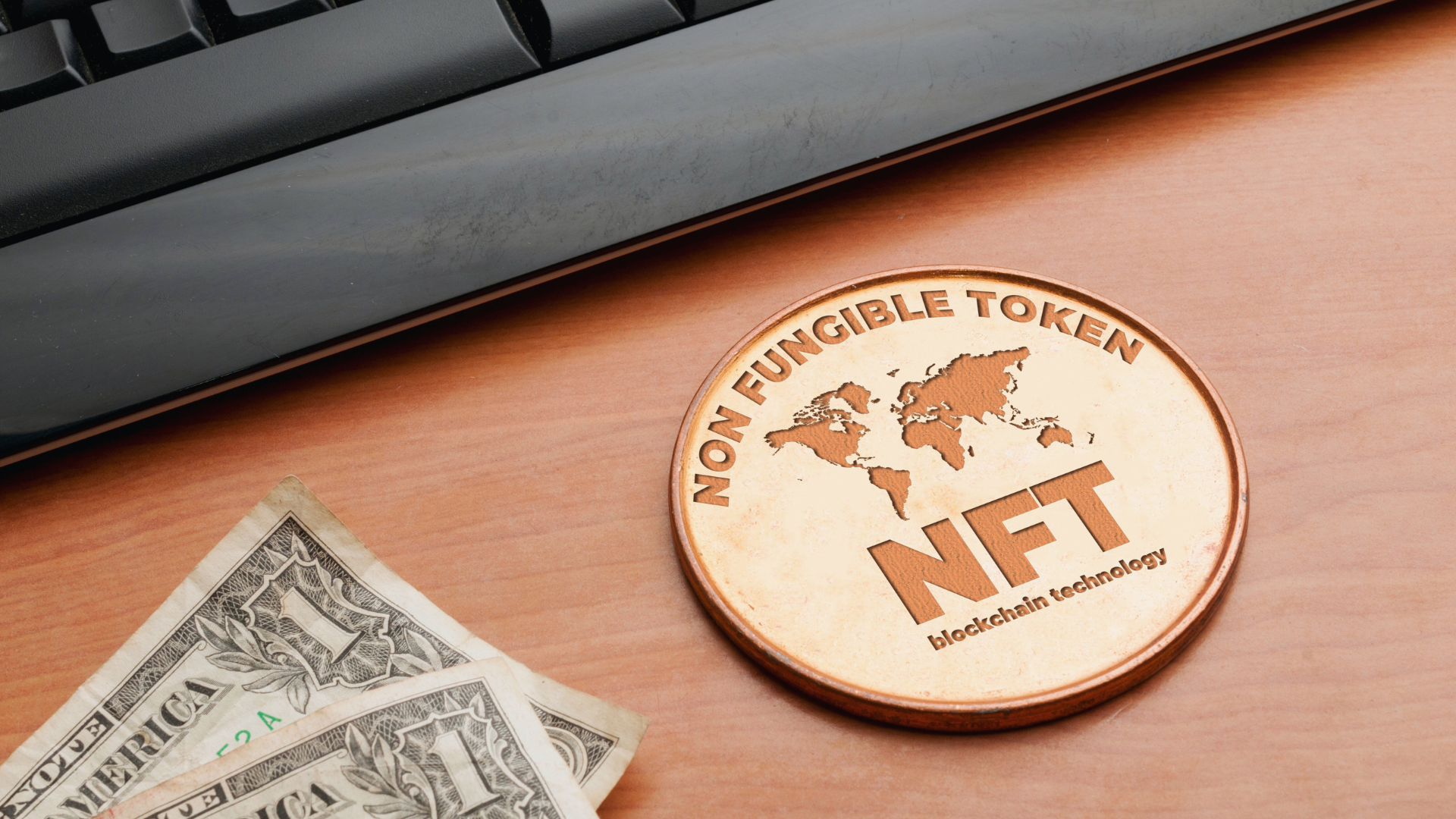
The rise of NFTs has transformed the digital landscape, providing unique opportunities for entrepreneurs and investors alike. To profit from NFTs, one must understand the market trends, identify valuable digital assets, and leverage platforms for buying and selling effectively. This emerging space offers not just collectables but also potential revenue streams through resale and royalties.
Successful engagement with NFTs involves evaluating projects with strong community backing and innovative use cases. As the popularity of NFTs continues to surge, those who stay informed and adapt to changes can find lucrative avenues. Navigating this market requires strategic thinking and a willingness to explore various niches within the NFT ecosystem.
Understanding NFTs
Non-fungible tokens (NFTs) represent a significant innovation in the digital asset landscape. They enable the ownership and transfer of unique digital items using blockchain technology, which has transformed how creators and collectors interact with digital art, music, and more.
The Basics of Non-Fungible Tokens (NFTs)
NFTs are unique digital assets that cannot be replicated. Unlike cryptocurrencies, such as Bitcoin, which are fungible and can be exchanged one-for-one, each NFT has distinct attributes.
These tokens are built on blockchain technology, primarily on the Ethereum network, using standards like ERC-721 or ERC-1155. This allows each NFT to have specific metadata that defines its unique characteristics, provenance, and ownership history.
NFTs can represent various forms of digital content including images, videos, music, and virtual real estate. They are bought and sold through online marketplaces, making them accessible to a broader audience.
NFT Marketplaces: OpenSea, Rarible, and Others
Numerous platforms facilitate the buying, selling, and trading of NFTs. OpenSea is one of the largest marketplaces, supporting a vast array of digital collectables. Users can create, buy, or sell NFTs directly on this platform.
Rarible is another popular option that allows artists to mint their NFTs and earn royalties on future sales. Other notable marketplaces include Foundation and Mintable, each offering unique features and capabilities.
- OpenSea: Largest marketplace, supports various NFTs.
- Variable: User-friendly for creators; royalty options available.
- Foundation: Curated platform, often focusing on high-quality art.
Understanding these marketplaces is essential for navigating the NFT landscape effectively.
Blockchain Technology and NFTs
NFTs leverage blockchain technology to ensure security and transparency in ownership. Each transaction involving an NFT is recorded on the blockchain, providing an immutable record.
Ethereum is the most widely used blockchain for NFTs due to its robust smart contract capabilities. This allows developers to create complex functionalities for their NFTs, such as royalties and ownership transfers.
The use of blockchain eliminates the need for intermediaries, empowering artists and creators. They can directly connect with their audience, ensuring that their work is recognised and compensated accordingly.
NFT Utilities and Digital Ownership
NFTs offer various utilities that extend beyond mere digital ownership. They can grant access to exclusive content, events, or communities, adding value for collectors and fans alike.
In addition to digital art, NFTs can represent ownership of virtual items in video games, digital land in virtual worlds, and even real-world assets. This intersection of digital and physical ownership opens up new economic opportunities.
For creators, NFTs present a way to maintain royalties from secondary sales, ensuring ongoing revenue as their work appreciates. This flexibility provides a compelling reason for artists to explore NFT creation actively.
Creating and Monetising NFTs
Creating and monetising NFTs involves several key processes, including minting, effective marketing strategies, and understanding copyright implications. Each of these areas is critical to maximising profit in the NFT space.
The Process of Minting NFTs
Minting is the initial step in creating an NFT. It involves uploading digital art or collectable content to a blockchain. This process typically requires the following:
- Choose a Blockchain: Popular options include Ethereum, Binance Smart Chain, and Polygon.
- Select a Marketplace: Platforms like OpenSea, Rarible, and Mintable are commonly used.
- Create a Digital Wallet: Users need a wallet to store NFTs and cryptocurrencies used for minting fees.
After selecting these elements, the user uploads the digital file and provides relevant metadata, which details the NFT’s properties and potential utility. Once minted, the NFT becomes part of the blockchain, ensuring its uniqueness and traceability.
Marketing Your NFTs
Effective marketing can significantly influence the success of selling NFTs. Here are crucial strategies to consider:
- Leverage Social Media: Platforms like Twitter, Instagram, and TikTok are effective for reaching potential buyers. Engaging content can showcase the NFT’s appeal.
- Build a Community: Engaging with communities on Reddit, Discord, or Telegram can help generate interest and support.
- Collaborate with Influencers: Partnering with recognised figures in the NFT space can enhance visibility and credibility.
Utilising email newsletters and cross-promotion with other NFT creators can further expand reach. The goal is to build a narrative around each NFT that resonates with collectors.
Copyright Infringement and Originality
Copyright infringement is a significant concern when creating and selling NFTs. Artists must ensure their work is original or appropriately licensed. Key points include:
- Original Work: Artists should create unique pieces to avoid legal issues.
- Licences: If using someone else’s content, it is essential to obtain the necessary permissions or licences.
- Protect Your Work: Registering copyrights can provide legal protection against unauthorised use.
Failing to respect copyright can lead to NFTs being removed from marketplaces or legal repercussions. Originality not only protects the creator but also adds value to the NFT in the market.
Investing Strategies in the NFT Space
Understanding effective investment strategies in the NFT space is crucial for maximising returns. This involves various approaches, including flipping, staking, and analysing market dynamics.
The Art of Flipping NFTs
Flipping NFTs can be a lucrative strategy for those with a keen eye for opportunities. Investors buy NFTs at lower prices and aim to sell them for profit when the market demand rises.
Key steps include:
- Researching the Market: Regularly analyse which NFTs are gaining traction. Understanding trends and community engagement helps identify potential flips.
- Buying at the Right Time: Acquiring NFTs during initial drops or in less competitive environments can enhance profit margins.
- Selling Strategically: Timing sales during market peaks or after substantial community interest can yield significant returns.
Successful flippers often use social media platforms and NFT marketplaces to spot trends early.
NFT Staking and Passive Income Streams
NFT staking introduces an innovative avenue for generating passive income. Through staking, holders lock their NFTs into specific platforms for rewards, often in the form of tokens.
Effective strategies include:
- Identifying Suitable Platforms: Several platforms offer NFT staking options. Researching those with strong backing and user engagement is important.
- Understanding Reward Structures: Different projects provide varying returns. Investors should compare potential rewards and the type of token earned through staking.
- Assessing Risk vs. Reward: Like any investment, staking involves risks. Evaluating the stability of the underlying asset and the project’s longevity is advisable.
Staking provides opportunities to earn while retaining ownership of the NFT.
Analysing Market Trends and Rarity
Market trends and the rarity of NFTs play pivotal roles in determining value. Investors must stay informed about shifts in demand and the unique attributes of specific NFTs.
Key considerations include:
- Monitoring Market Trends: Regularly follow NFT marketplace analytics. Tools exist that track sales data and asset performance.
- Understanding Rarity and Value: Rarities are often more sought-after. It is essential to consider factors such as edition size, historical significance, and artist reputation when assessing value.
- Utilising Community Insights: Engaging with NFT communities can offer visibility into emerging trends. Knowledge shared within these groups can inform future investments.
A sound understanding of these elements enhances the ability to make informed NFT investments.
Emerging Trends and the Future of NFTs
Current trends indicate that NFTs are evolving beyond art and collectables into various sectors, such as virtual real estate, gaming, and governance within decentralised systems. These developments signal a transformative phase for the crypto industry and the digital economy.
Virtual Real Estate and Metaverse Assets
Virtual real estate is becoming increasingly valuable as individuals and companies seek to establish a presence in the metaverse. Platforms like Decentraland and Sandbox have opened opportunities for purchasing, trading, and developing virtual land.
Investors are now viewing these assets as tangible investments. The ability to design and monetise properties can yield substantial returns. Ownership of virtual land can also grant access to virtual events or experiences, further enhancing its value.
NFTs in Gaming and Virtual Events
NFTs are revolutionising the gaming industry by allowing players to own in-game assets. Games such as Axie Infinity and The Sandbox enable users to buy, sell, and trade unique characters or items, creating real economic ecosystems within the gaming landscape.
Moreover, virtual events are adopting NFTs for ticketing and exclusive access, promoting community engagement. Players can leverage NFTs to gain competitive advantages or earn income, embodying the convergence of gaming with decentralised finance.
The Role of Governance Tokens and DAOs
Governance tokens are essential in facilitating decentralised decision-making within NFT projects. They empower holders to vote on proposals and changes, aligning interests among community members.
Decentralised Autonomous Organisations (DAOs) often use these tokens to manage funds and projects. This structure fosters transparency and collaboration. As the crypto industry matures, governance tokens will likely gain prominence in guiding NFT development and broader digital asset management.